What we do
Robin Copeland Memorial Fellowship Program
Empowering a global network of women in CBRN security and nonproliferation
The Robin Copeland Memorial Fellowship (RCMF) program builds technical capacity and leadership among early- to mid-career professionals through tailored trainings, regional networks, and sustained mentorship.
Global efforts to strengthen nonproliferation and security benefit from a broad range of perspectives and skilled practitioners. Many regions, however, continue to face challenges in accessing advanced training, professional development, and leadership pathways within the CBRN security and nonproliferation fields. For more than a decade, the RCMF program has addressed this need by equipping rising experts and practitioners with the knowledge, tools, and networks necessary to support their institutions, contribute to international best practices, and drive meaningful progress in their home countries.
A Global Network
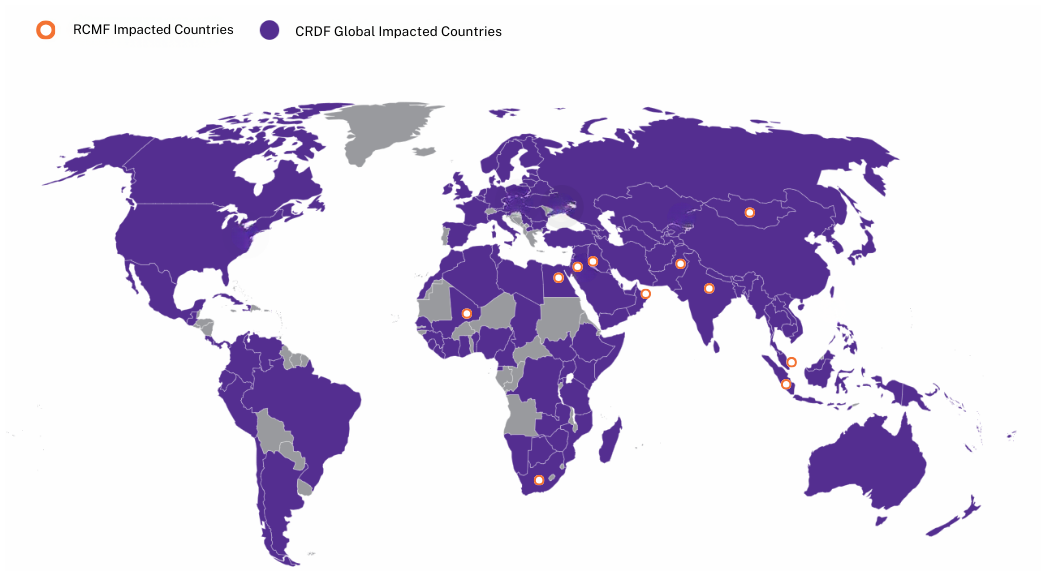
Since 2012, the RCMF program has cultivated a truly global community of emerging leaders, connecting professionals across the Middle East, Africa, South Asia, and Southeast Asia.
From early cohorts in Iraq (2012), Pakistan (2013), and Indonesia (2014) to expanded engagement in Mali (2015) and Egypt (2015, 2018), South Africa (2016), India (2017), and Malaysia (2019), the network has continued to grow across regions and disciplines. Recent cohorts have added Türkiye (2020), Oman and Jordan (2023), renewed partnerships in Indonesia and Malaysia (2024), and continued expansion in India, Pakistan, and Mongolia (2025).
PROGRAM OUTCOMES
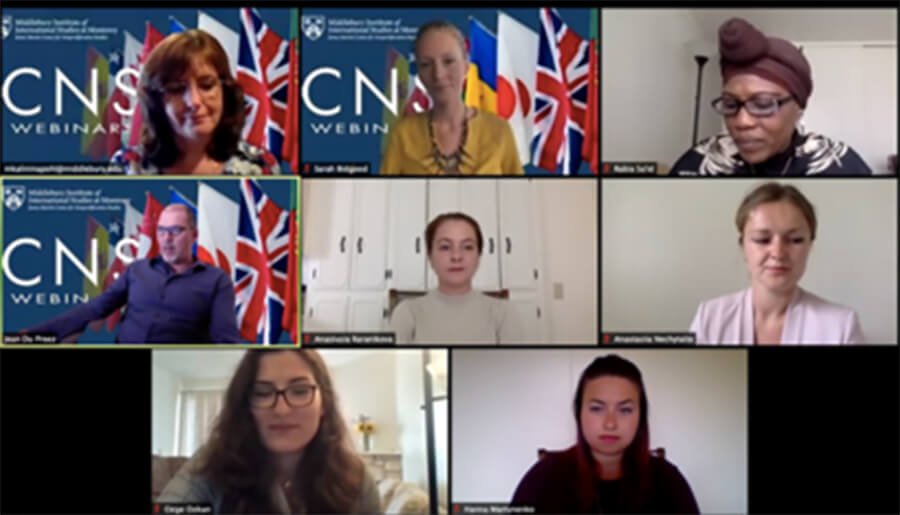
Fellows engage in a range of activities to deepen their knowledge of both policy and technical issues in their nonproliferation area. This ranges from rigorous course work at institutions focusing on nonproliferation policy to pairing with academics and professionals for mentorship to self-directed research as part of their capstone projects.
Some of the many examples of research and policy contributions by fellows have included:
- Assessment of Techniques for Tracing Orphan Radioisotopes
- Developing and Maintaining Organizational Culture of Nuclear Sites
- Assessment of the Effectiveness of Malaysia Nuclear Security Regime
- Nuclear Security of Spent Nuclear Fuel of Akkuyu Nuclear Power Plant
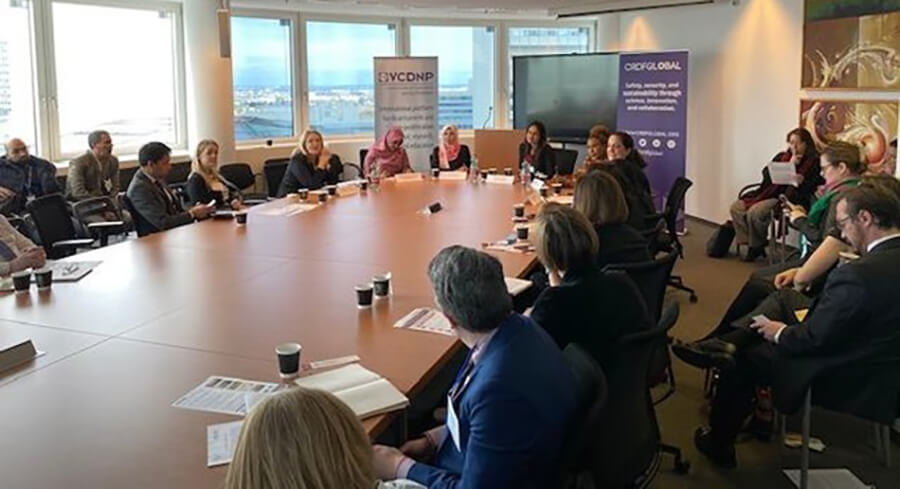
Fellows in the RCMF program have multiple opportunities to expand their professional networks and engage with the broader nonproliferation and CBRN security community. Throughout the fellowship, they participate in networking and mentorship activities that connect them with program alumnae, subject matter experts, and practitioners across the field.
Activities have included alumni-led panel discussions that highlight career development pathways, challenges encountered in institutional reintegration, and strategies for strengthening nuclear security cultures at both national and organizational levels. Fellows also engage in public-facing platforms—such as guest appearances on podcasts—to share their capstone work, discuss emerging issues in nonproliferation, and contribute to wider professional dialogues. These networking opportunities support fellows to build lasting professional relationships, expand their visibility, and advance their roles as contributors to global nonproliferation efforts.
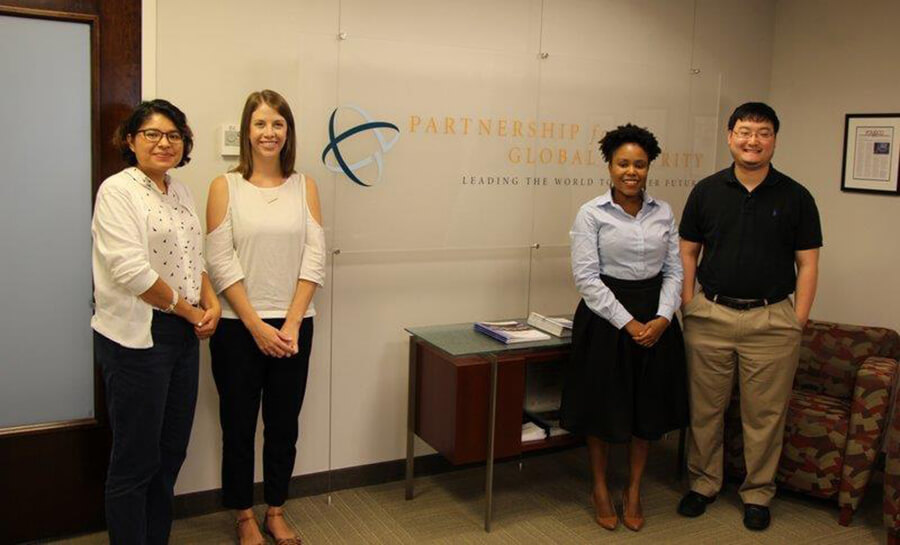
Fellows are able to gain new practical experience through their time at host institutions in the U.S. and internationally. Fellows have had the opportunity to gain exposure to the varied work of nonproliferation and CBRN security practitioners, engage with the public and private sectors, and directly apply their knowledge and expertise. Fellows have led and participated in webinars, events, trainings, and technical site visits, among other varied activities at institutions including:
- The Energy & Minerals Regulatory Commission in Amman, Jordan
- Partnership for Global Security (PGS) in Washington, DC, USA
- Sandia National Laboratories, USA
- International Atomic Energy Agency (IAEA) in Vienna, Austria
- The Regional Cooperative Agreement (RCA) Regional Office, Daejeon, Republic of Korea
- Nuclear Threat Initiative, (NTI) in Washington, DC, USA
- Nuklear Malaysia, in Selangor, Malaysia
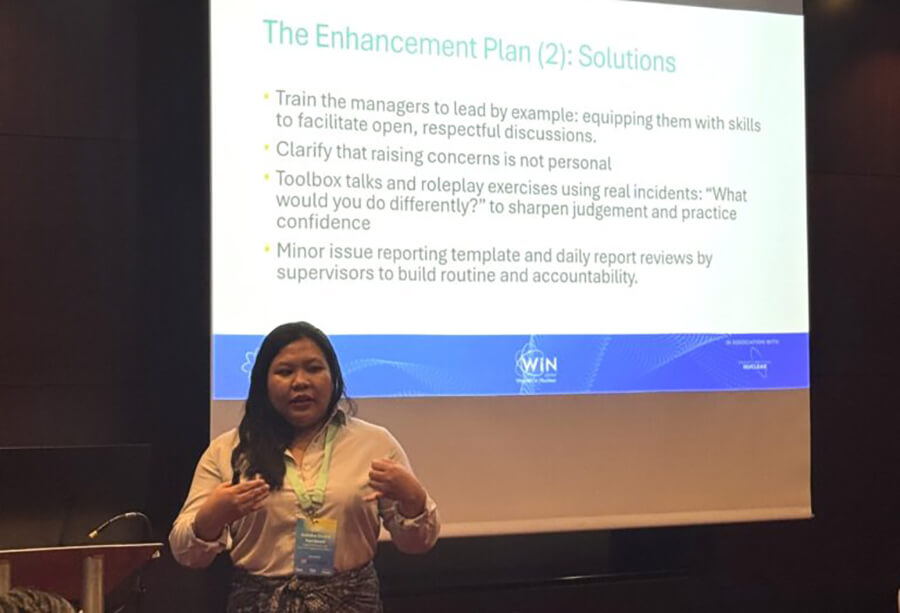
A core pillar of the RCMF program is its commitment to developing emerging leaders in nonproliferation and CBRN security. Throughout the fellowship, participants strengthen their leadership skills and confidence through sustained mentorship, capstone projects, and opportunities to engage directly with practitioners. Fellows’ attendance and demonstrative initiative at relevant conferences, trainings, and workshops, and their networking with subject matter experts, help guide their growth as leaders. As a result of the program, fellows have increased visibility within their field and increased credibility and opportunities at home.
In support of this mission, CRDF Global has created a Best Practice Guide for the Advancement and Inclusion of Women in STEMM and National Security—an initiative launched in 2020 that addresses challenges such as “imposter syndrome” and the lack of mentorship opportunities. The guide offers tangible steps for fostering more supportive workplaces, providing fellows with tools they can apply and model in their own professional environments.
RCMF Activities
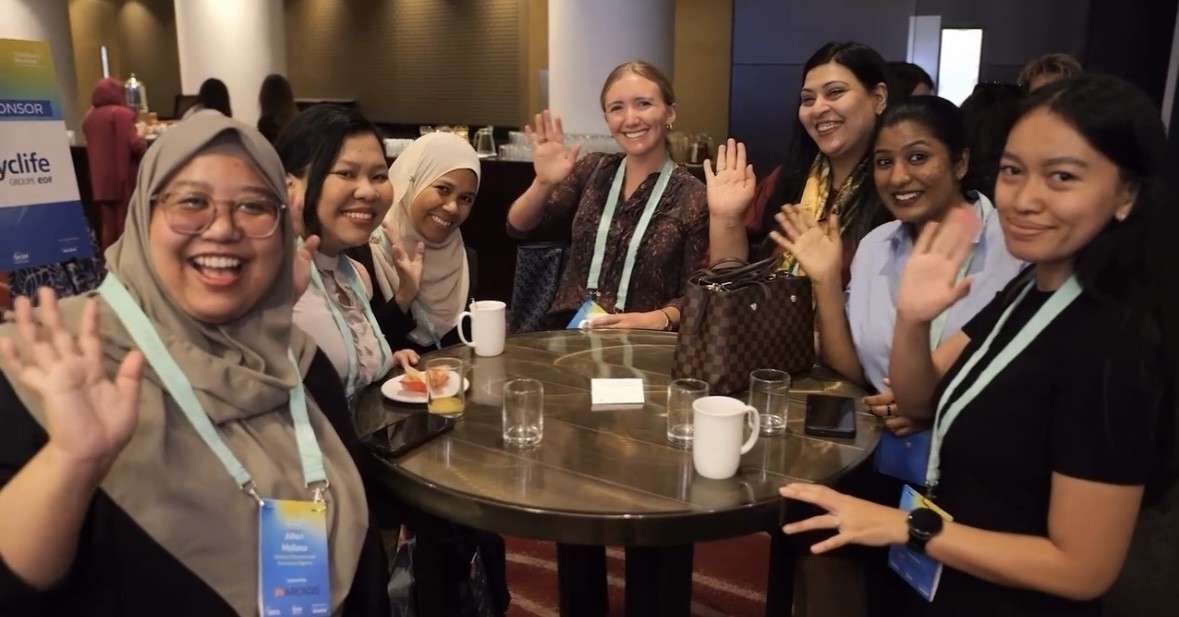
32nd Women in Nuclear (WiN) Global Conference
In July 2025, six RCMF fellows from 2024 and 2025 visited London, UK for the 32nd Women in Nuclear (WiN) Global Annual Conference where they participated in three days of seminars, trainings, and networking activities. CRDF Global hosted a side event on the final day of the conference, where 2025 fellows presented their capstone projects. Additionally, the 2024 RCMF alumnae presented during the conference on the following topics:
- “Empowering the Next Generation: Fostering Innovation and Inclusion in Nuclear Education.”
- “Radiological Emergency Response during RAM Transport Incidents and/or Accidents: An Overview of Challenges and Opportunities in Southeast Asia.”
- “Mitigating Complacency in Nuclear Security: A Practical Approach for Yogyakarta Nuclear Complex.”
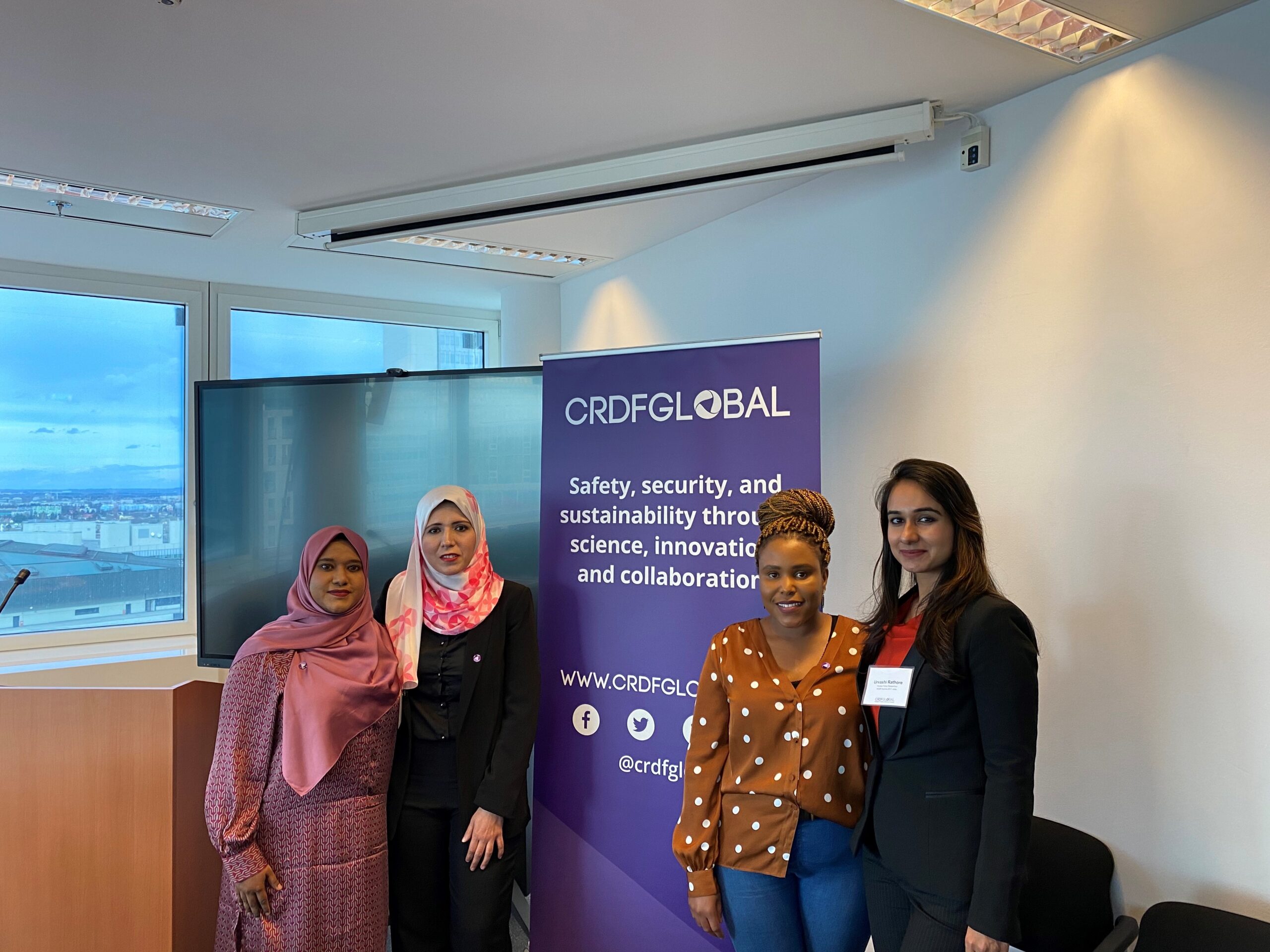
First Robin Copeland Memorial Fellowship Alumni Panel
“On February 12, 2020, CRDF Global held the first Robin Copeland Memorial Fellowship Alumni Panel: Women in Nonproliferation and Nuclear Security at the sidelines of the International Atomic Energy Agency’s International Conference on Nuclear Security 2020, which was hosted at the Vienna Center for Disarmament and Non-Proliferation (VCDNP).”
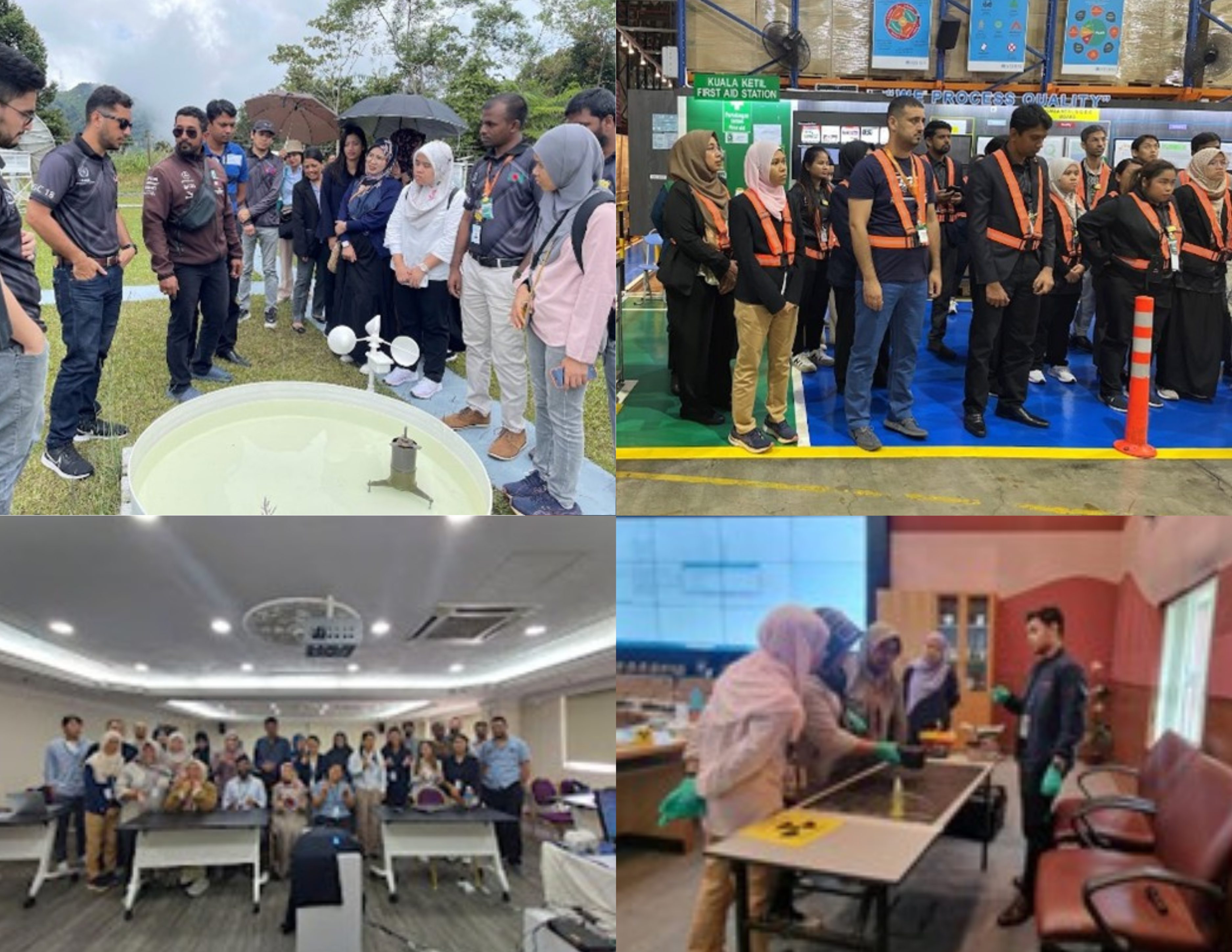
Nuklear Mayalsia Study Tour
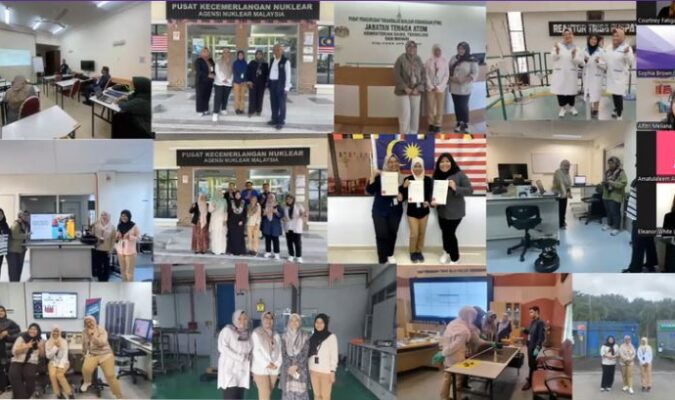
In partnership with Nuklear Malaysia, RCMF fellows from 2024 attended lectures and participated in technical site visits as a part of their month-long study tour in Malaysia. The fellows were joined by their mentor, Sabariah Ibrahim, who is a 2023 alumna of the RCMF program. Fellows attended lectures on small modular reactors (SMRs), material outside of regulatory control (MORC), UN Security Council Resolution 1540, and, with the IAEA, a lecture on Industrial Irradiators and Accelerators. Fellows also participated in several technical site visits across Malaysia, such as:
- Non-Destructive Technology (NDT)
- National Nuclear Emergency Centre
- Waste Technology Development Centre (WasTeC)
- Radionuclides Monitoring Station (RN42) at Cameron Highland
- Synergy Sterilization (M) Sdn Bhd
- Repository Site Mukim Belanja at Perak
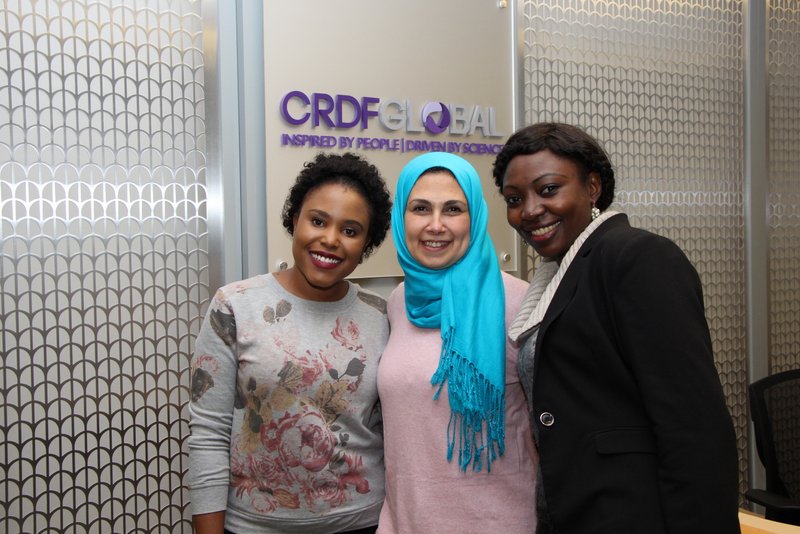
Reunion at CRDF Global
In May 2016, Jeaneth Kabini (South Africa) visited CRDF Global with 2015-2016 alumnae Mona El-Shokry (Egypt) and Kadiatou Dao (Mali)

Remembering Robin Copeland
Robin Copeland was a dedicated U.S. civil servant and female leader in the field of international security and nonproliferation. In particular, Ms. Copeland served in the U.S. Embassy to Russia in Moscow in the 1990s, where she led the implementation of the U.S. Department of Energy’s programmatic activities to secure Russian nuclear materials. Over the course of her career, Ms. Copeland passionately advocated to increase female leadership in international security. The RCMF program is an initiative to honor Ms. Copeland’s memory and to continue her legacy.
Related Stories